The summer sales of 2026 end with a slowdown for the Italian fashion retail. After an encouraging start in the first days of July, sales gradually lost ground until registering, in the month of August, an average decrease of 2.6% in value compared to the same period in 2025.
This is what emerges from the monitoring conducted by Federazione Moda Italia-Confcommercio on the associated companies. However, the picture is not uniform: 37% of the interviewed companies reported stable sales and 18% growth. Overall, therefore, 55% of companies maintained or improved their results, while the remaining 45% recorded a decrease.
Summer sales of 2026, weighed down by weak consumption and rising costs
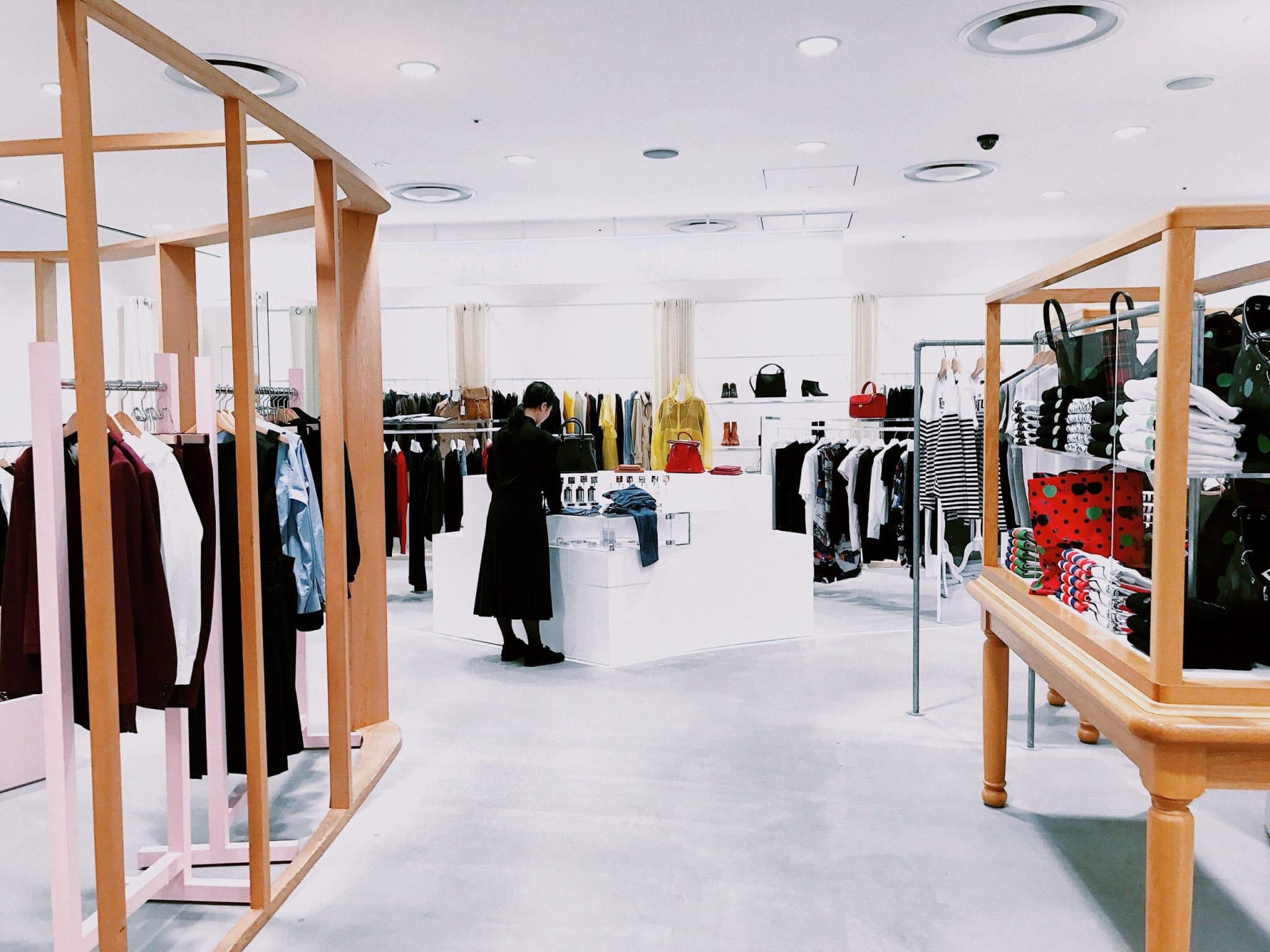
According to Federazione Moda Italia, the slowdown in sales is part of a broader scenario, characterized by weak consumption and the difficulties that continue to affect especially independent stores and local commerce.
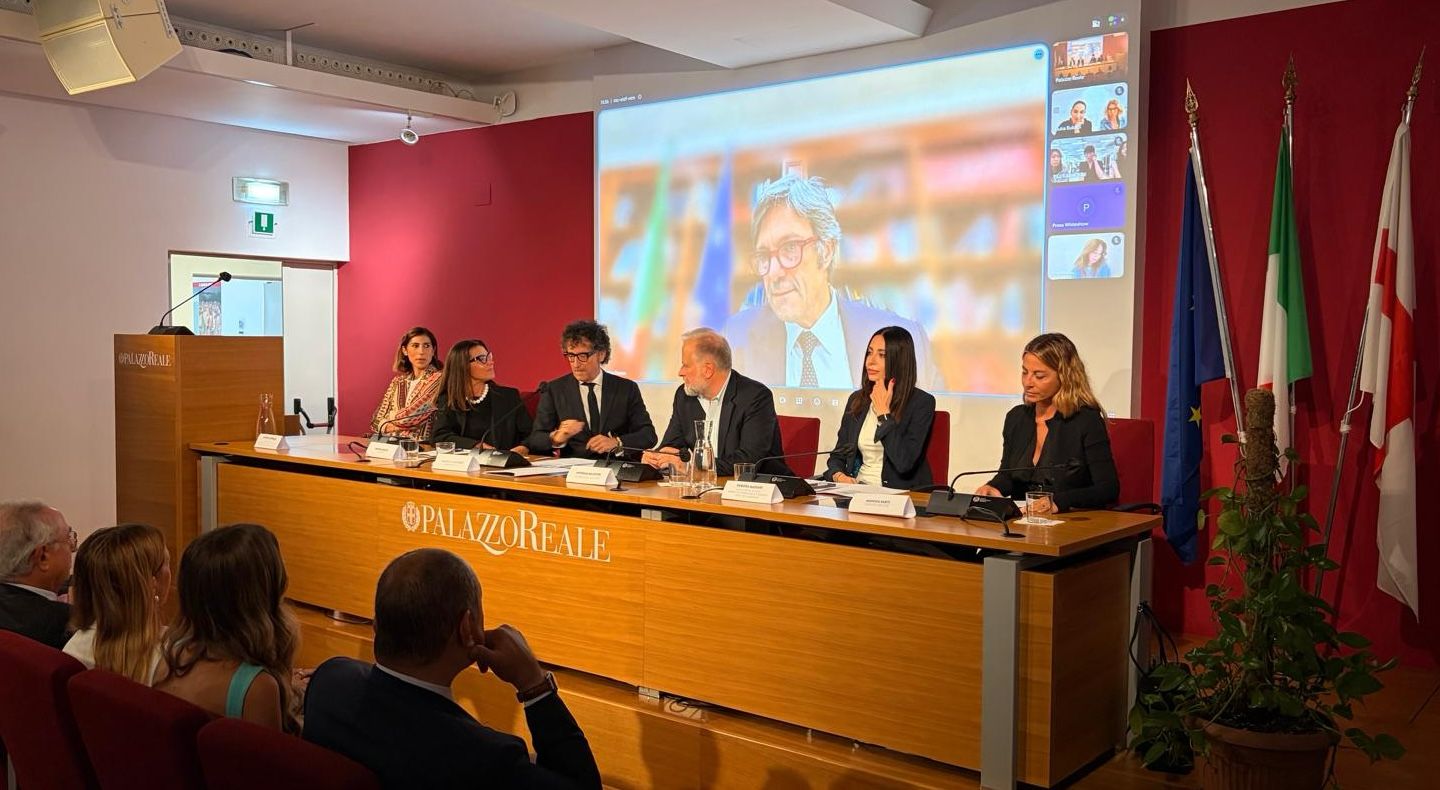
“The good start of the sales was not enough to reverse a trend that continues to penalize local fashion commerce”, says Giulio Felloni, president of Federazione Moda Italia-Confcommercio.
Among the elements putting pressure on businesses are the increase in management and energy costs, the reduction of margins, and a competition considered increasingly difficult to sustain. The exceptional heat also influenced the season’s performance, which according to Felloni contributed to slowing down purchases.
The risk highlighted by the Federation is that of a new acceleration of commercial desertification, with a progressive reduction in the presence of stores in urban centers.
From MICAM and MIPEL to Fashion Week: Milan returns to the center of fashion
After the sales phase, the sector’s attention now shifts to the new fashion season and the calendar of events that, in September, brings Milan back to the center of the international industry.
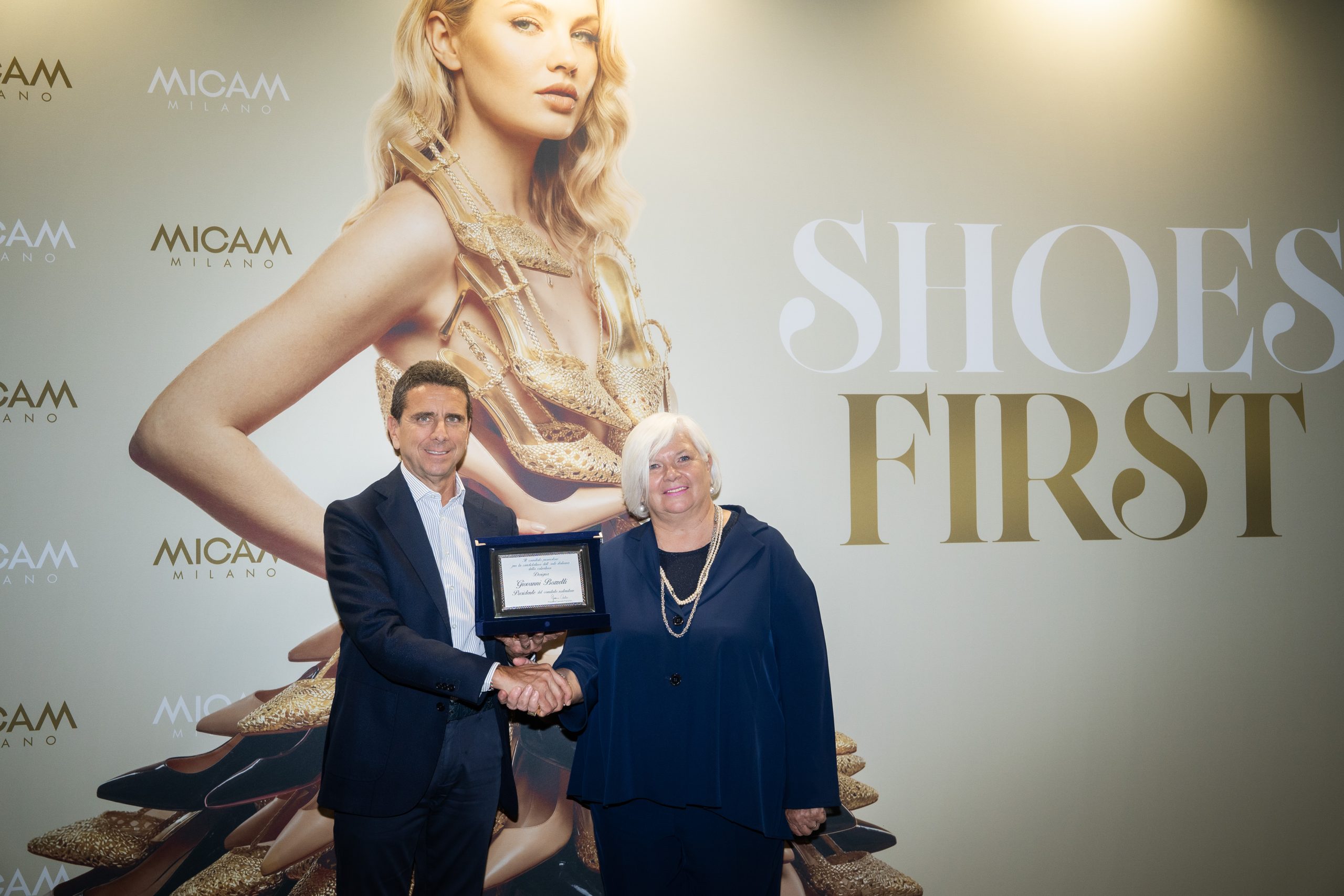
Trade fairs such as Fashion&Jewels, MICAM, and MIPEL anticipate the fashion shows and events of Milan Fashion Week, along with WHITE Milano, attracting brands, manufacturers, buyers, and operators from different markets to the city.
A strategic moment not only in terms of image but for the entire supply chain.
“From trade fairs to catwalks, there is a remarkable capacity for innovation, creativity, and internationalization”, emphasizes Felloni. The decisive step, according to the president of Federazione Moda Italia, remains the one that brings the product to the final consumer.
It is in distribution and in stores that collections meet the public and where the relationship between brands, products, and territory is built daily. The challenge is therefore to transform the attention generated by major fashion events into consumption, attractiveness, and vitality for local retail.
Proposals from Federazione Moda Italia to support stores
To support the sector, Federazione Moda Italia presented a package of measures to the MIMIT Fashion Table aimed particularly at independent businesses.
Among the proposals are vouchers for purchases in independent stores, a tax credit on lease payments, and the progressive devaluation of warehouse stocks. In addition, there is the proposal to establish a National Day of Italian Fashion.
Interventions that, according to the Federation, could help support businesses, protect employment, and preserve the commercial vitality of urban centers.
At a time when trade fairs and catwalks bring international spotlights back to Italian fashion, the central issue remains the ability to transfer the value generated by the entire supply chain to the last link in the chain.
“Safeguarding local commerce means ensuring that this value does not stop in the last mile, that of the daily relationship with the consumer”, concludes Felloni.