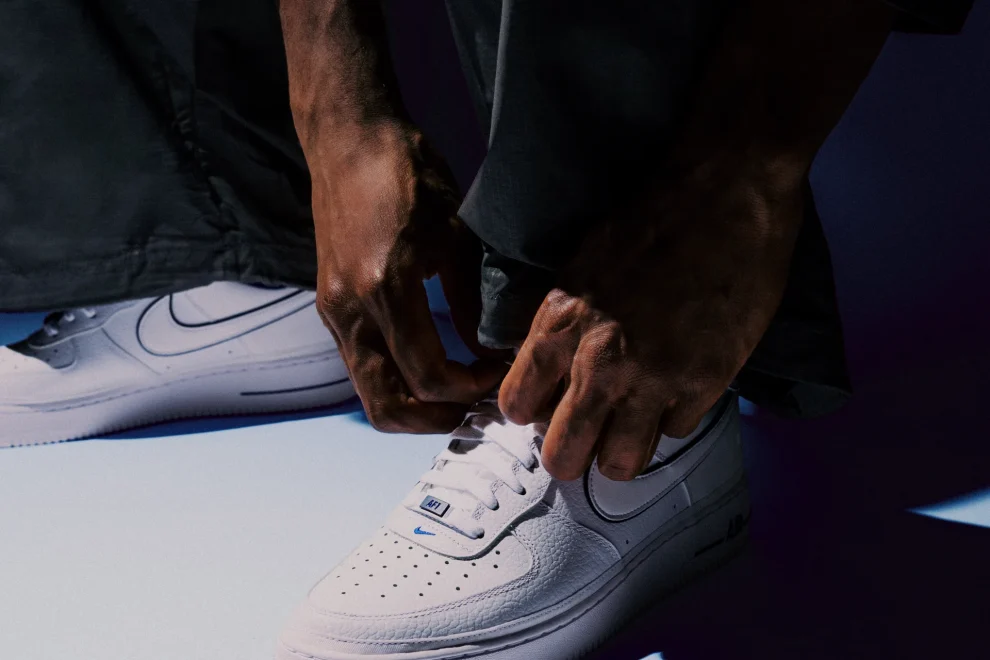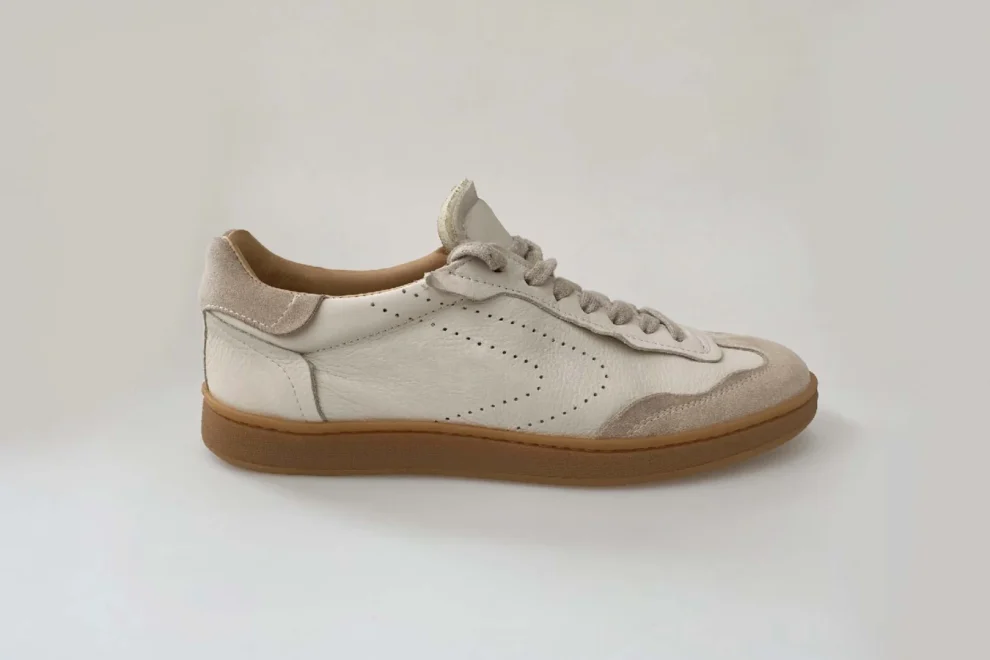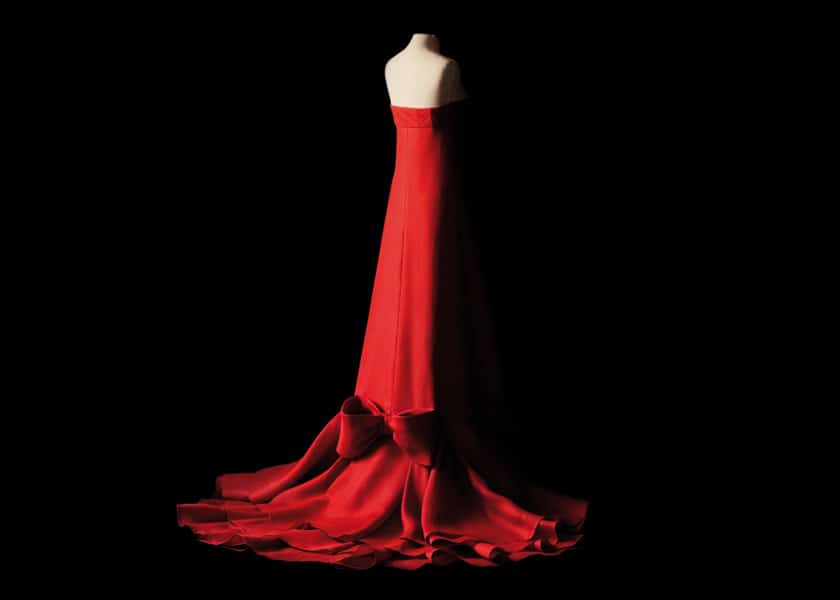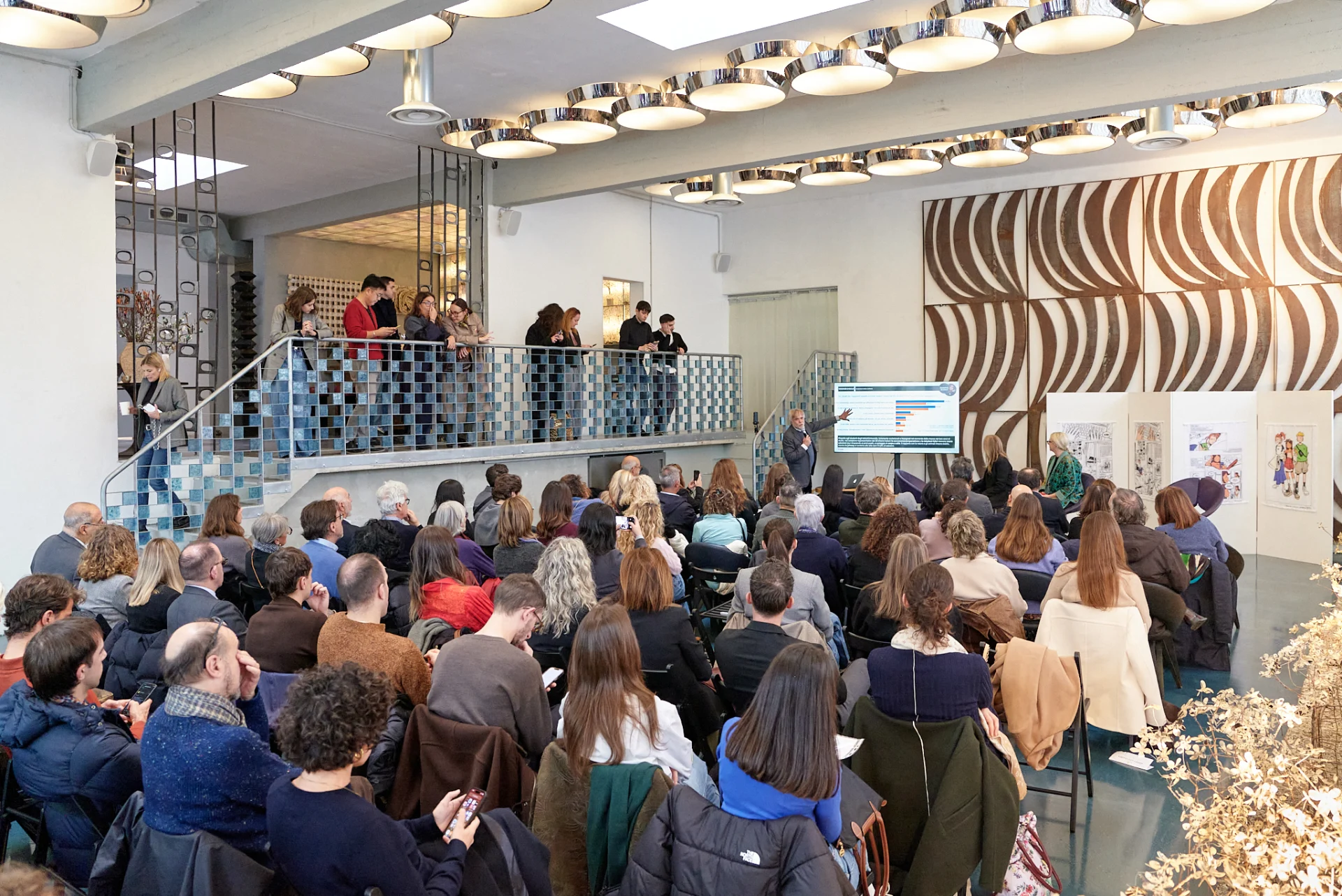
The logo is no longer a priority, while the quality of a fabric, comfort and the possibility of wearing a garment for many years are becoming fundamental criteria. Generation Z seems to have a fairly clear idea of what it wants to find in its wardrobe: less conformity, more freedom of choice and greater attention to what lies behind each product. This is not merely a new aesthetic trend, but a change in the relationship with fashion and consumption. Young people combine new purchases, second-hand items and inherited garments, experiment with different styles and move away from the idea that they must belong to a specific tribe or identify with a particular label. The value of a garment is no longer measured solely by its brand, but by its ability to last, represent the person wearing it and guarantee quality. This is what emerges from “Consum-Autori”, the research carried out by Future Concept Lab for Slow Fiber and presented on 18 November 2026 during the network’s annual congress at Fondazione Sozzani in Milan. The study involved 1,500 young people aged between 16 and 29, divided into three age groups, as well as 241 fashion and design students aged between 20 and 24.
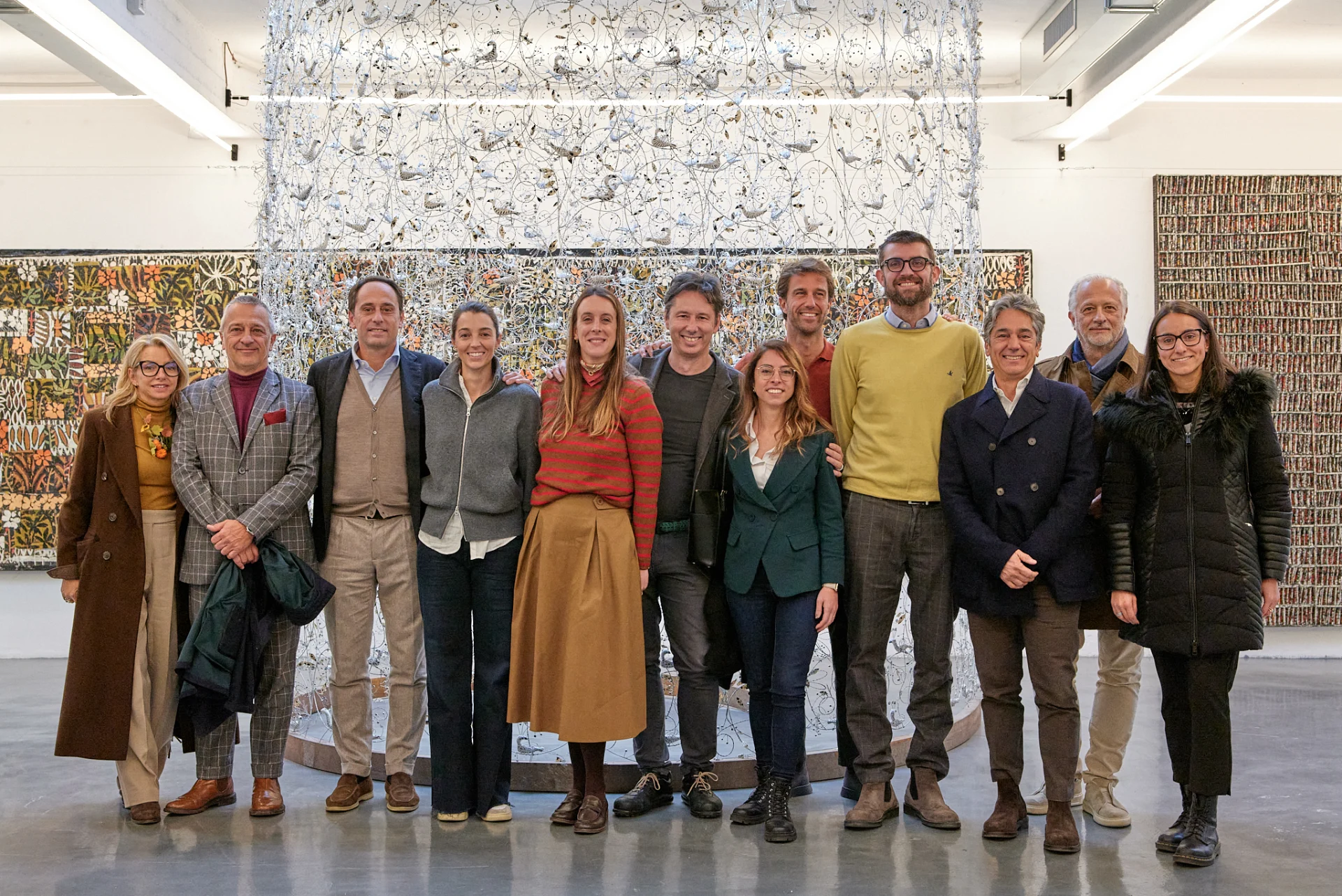
Slow Fiber, a network bringing together 46 Italian companies in the textile supply chain and promoting a production model based on the principles of beauty, goodness, health, cleanliness, fairness and durability, wanted to explore the expectations and behaviour of younger generations in order to understand how their relationship with fashion is evolving.
“We have consumption models and production models that need to change in the same way, and I have to say that this year the young people really showed us the way,” says Dario Casalini, president of Slow Fiber. “We cannot wait for the fibre or industrial process that will save the world. We have to make a change ourselves”.
A message that sums up the heart of the research: fashion’s transformation cannot depend solely on those who produce, but must also involve those who buy.
Goodbye logomania: the new luxury is feeling represented
What is Gen Z really looking for in a garment? Above all, that it lasts over time, fits well and reflects their way of being. Among fashion and design students, durability scores 8.6 out of 10, while the value attributed to the brand stops at 5.5. In the national sample of 20-24-year-olds, the brand scores 6.
These figures tell the story of a gradual move away from logomania and models of belonging built around a brand. The wardrobe becomes a personal space for experimentation, where newly purchased garments coexist with vintage pieces, second-hand clothes and items received from parents and grandparents.
The research defines this new attitude through two concepts: a “personal aura”, linked to each person’s uniqueness, and a “social vibe”, concerning credibility and harmony in relationships with others. As Francesco Morace, sociologist, essayist and founder of Future Concept Lab, explains, young people are moving towards greater freedom of choice, distancing themselves from imitating their peers and from the influence of major labels and fast-fashion multinationals. Fashion, therefore, is no longer necessarily a tool for declaring belonging, but a language through which to build and express one’s identity.
Sustainability, a practical rather than ideological choice
Environmental awareness is another central element, but with a difference compared with the past: for young people, sustainability is less an ideological banner than a natural component of quality of life.
Among the values that should be strengthened in the world of 2035, sustainability comes first for 33.7% of young people aged between 20 and 24. Among 25-29-year-olds it reaches 31.6%, level with sociability, while among 16-19-year-olds it ranks second at 24.7%. Among women aged 25-29, the percentage rises to 38.7%.
Generation Z buys and resells used clothes, pays attention to quality and seeks solutions consistent with its financial means. It does not necessarily want to give up consumption, but wants to consume more consciously.
“Sustainability is no longer ideological: it is linked to a pragmatic view of life, to quality of life, something young people consider a sine qua non,” observes Morace. “For them, the priority is intellectual honesty, the ability to create lasting relationships”.
An approach that places a new responsibility on companies: it is not enough to communicate their environmental commitment; they must demonstrate it through verifiable production choices.
Materials, transparency and respect for labour: what they want from fashion
When imagining the future of the fashion system, young people are primarily calling for a supply chain that pays greater attention to the environment and people. Among 20-24-year-olds, 46.1% identify environmental protection as a priority for fashion over the next ten years, with particular attention to natural fibres and low-impact production processes. This is followed by quality of work (20.3%), renewed Italian tradition (19.5%) and transparency in production processes (14.2%).
Among fashion and design students, however, quality of work comes first, identified by 43.1%, while the environment ranks at 26.1%. The choice of materials is also becoming decisive. Students give their quality a score of 8.4 out of 10. In home textiles, natural fibres reach 8.7 and product healthiness 8.4.
Interest is also growing in companies that guarantee certification, supply-chain traceability and attention to environmental and social risks. Transparency is no longer merely a communication tool, but a condition for building trust. In this scenario, new technologies can also help make a product’s characteristics easier to understand. Digital labels and the digital passport, for example, make it possible to explore the origin of materials, learn about production processes and identify the organisations involved in making a garment.
This is particularly appreciated by the so-called CreActives, young people aged between 20 and 24, who are interested in digital tools capable of conveying the authentic quality of what they buy. However, there remains a gap between awareness and the market: sustainability certification on an individual garment still receives scores of around 6 out of 10 across the different age groups. This highlights how much room for improvement the sector still has.
The value of inherited garments: when fashion becomes a family story
One of the most interesting aspects of the research is the return of inherited clothes. Garments belonging to parents and grandparents are entering the wardrobes of younger generations, not only for economic or environmental reasons, but because they carry emotional and identity-related value. Durability, in fact, is not exclusively about a fabric’s resistance to wear. A garment becomes truly durable when it continues to be loved, worn, repaired and reinterpreted over time. This also emerges from ethnographic research conducted by Romana Andò, a sociologist specialising in communication and fashion at La Sapienza University of Rome, which involved eleven Italian families through interviews with several generations.
While sewing and repairing often represented a necessity for mothers and grandmothers, these actions now have a different meaning for daughters and granddaughters: they become creative opportunities and forms of conscious consumption.
“Durable is not only the garment that withstands wear, but the one we choose to continue caring for,” explains Andò. “Repairing, which consumer culture long stigmatised as a sign of deprivation, is thus once again becoming an act of care for the garments, for those who left them to us and for the environment”.
A vision that restores to fashion an emotional dimension often overlooked by the system of continuous collections. A dress is no longer merely a product to replace, but an object that can accompany different stages of life and pass through generations.
Producing better is not enough: the fast-fashion question
The change requested by Gen Z also concerns the production model. Improving materials and making processes more efficient is not enough if the number of garments placed on the market continues to rise. This is the point raised by Paola Deda, director of the Environment and Forests Division of the United Nations Economic Commission for Europe (UNECE), who spoke at the Slow Fiber congress.
Fashion, she stresses, is a system involving people, natural resources and ecosystems. Improving the efficiency of an individual product can in fact be cancelled out by an increase in overall volumes. The question, therefore, is not only how to produce more sustainably, but also whether it is really necessary to continue producing and buying so many garments. This issue is directly connected to young people’s new habits, with growing interest in second-hand, durability and the possibility of recovering and enhancing what already exists.
The challenge for the fashion system is to move beyond the logic of quantity and restore centrality to quality, labour and the resources used. As Marco Bardelle, vice-president of Slow Fiber, also points out, for products to last longer, the companies that make them must also last, through business models capable of working well and respecting the supply chain.
Fashion and health: the less visible side of what we wear
There is also an aspect gaining increasing importance: the relationship between textiles and health. For 92.5% of young people aged between 16 and 19, health represents a very important value for their future. Particular attention to the healthiness of materials also emerges in the choice of home products: students aged between 20 and 24 give it a score of 8.4 out of 10. The issue was explored during the congress by Franco Merletti, a cancer epidemiologist at the University of Turin, who drew attention to the health consequences of fashion’s production models. The expansion of fast fashion and ultra-fast fashion has accelerated the pace of collections and production volumes, increasing pressure on supply chains and the people working in them.
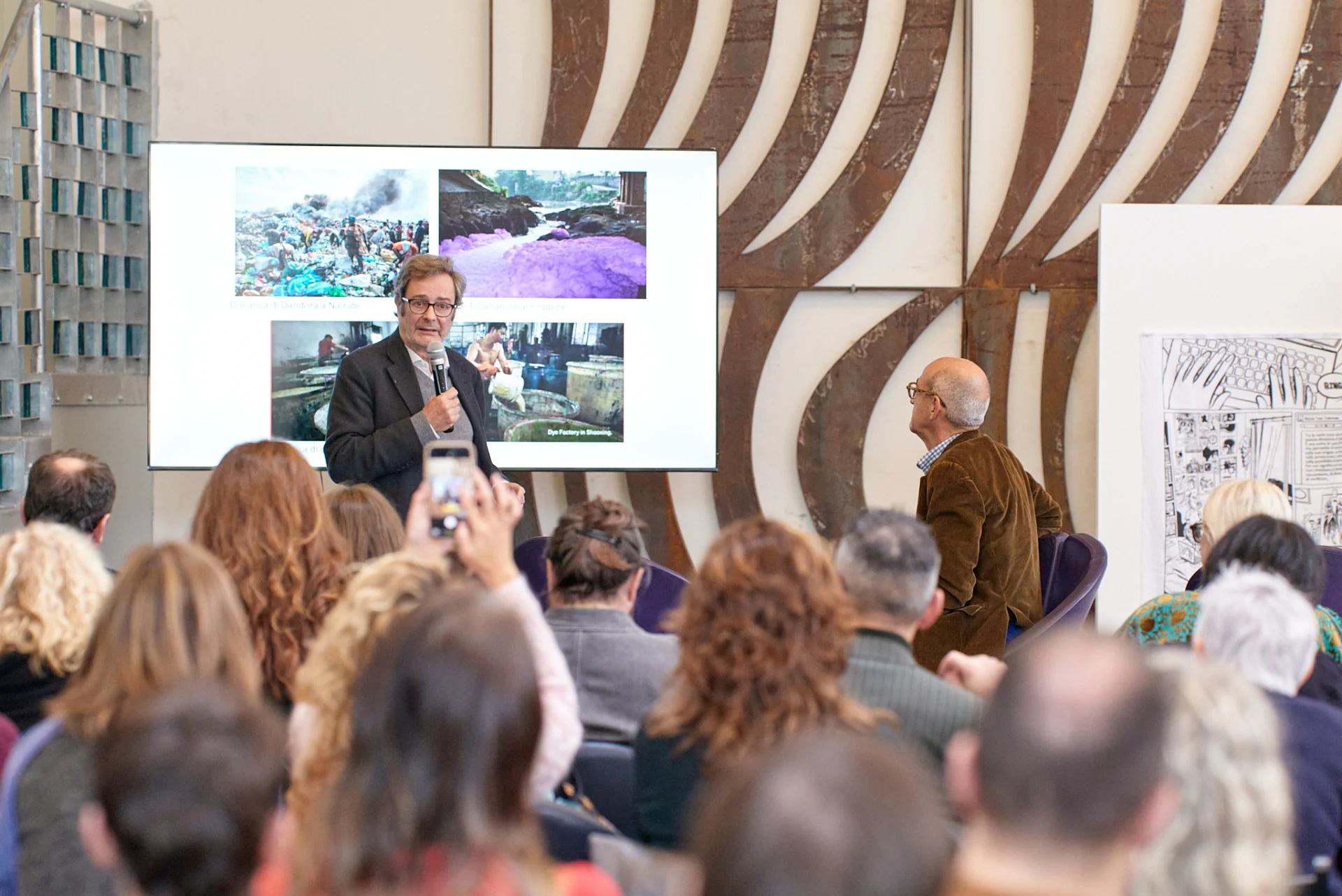
According to the data cited during the meeting, the textile and clothing sector involves around 90 million workers worldwide, many of whom are exposed to occupational risks including respiratory disorders, dermatitis, musculoskeletal problems and other illnesses. The chemicals used in production processes also require attention.
Some compounds used in the textile industry are classified by the International Agency for Research on Cancer as carcinogenic to humans. Tests cited by Greenpeace on ultra-fast-fashion products sold online also revealed the presence of hazardous substances: in 2022, 15% of the garments analysed exceeded European limits for certain chemicals, a percentage that rose to 32% in the 2025 test. This issue makes the link between quality, safety and production responsibility even clearer.
“Just as the spread of Slow Food created a cultural revolution and attention to good, clean and fair food, we hope that the spread of Slow Fiber will lead to good, clean and fair clothing,” says Merletti, stressing the importance of reducing inequalities and protecting the health of those who produce and wear garments.
The physical shop takes centre stage again: fewer logos, more discovery
Despite their strong familiarity with digital technology, Gen Z does not give up the physical experience. On the contrary, the shop is once again becoming an important space for discovering, trying and experimenting. Young people aged between 20 and 24 are interested in less conventional retail formats, such as temporary stores, limited editions and small independent shops. Those aged 25-29, meanwhile, appreciate solutions that simplify the shopping experience and offer opportunities to meet.
The point of sale is no longer merely a place to find a brand, but a space in which to learn about products, materials and stories. This is the philosophy of San Carlo dal 1973, a Turin-based business led by Giorgina Siviero, which has chosen to focus on independent discovery and product selection rather than the renown of major labels.
“I do not want anything that looks like a brand: I do not buy collections, I buy ideas, I buy from people who make good trousers, people who make good knitwear,” says Siviero.
Her approach is also based on transparency towards the customer: explaining where a fabric comes from, who designed it and what story lies behind a product.
A model also found in other contemporary retail businesses. In Milan, Bivio, founded in 2013 by Hilary Belle Walker and Marco Nicolini Profumo, has built its identity around second-hand, now reaching four shops in the city. The formula allows sellers to obtain an immediate solution and buyers to continually discover new products.
Artknit Studios, founded in 2018 by Alessandro Lovisetto, instead focuses on a network of Italian artisan families and a permanent collection of timeless garments. Through its digital passport, the brand tells the story of the artisan, the supply chain and the resources used in production. Casa del Costume, founded by Giacomo Bramucci and now in its third generation, is another Marche-based business interpreting this change through quality and personalisation of the experience, focusing on products that can be altered and used for longer. Different experiences, united by the same direction: placing the product, discovery and the relationship with the customer at the centre, while reducing the importance of the logo.
Three generations, three different ways of experiencing fashion
Future Concept Lab’s research also identifies three profiles within Gen Z, each with specific characteristics and priorities.
- ExperTeens (16-19 years) – Competent and empathetic. These are young people who anticipate some choices typical of adulthood and seek skills, points of reference and concrete goals. In their wardrobes, they prioritise comfort and durability, both rated 7.4 out of 10. Sustainability is part of their everyday lives, but their decision-making process is still influenced by the search for guides and experts.
- CreActives (20-24 years) – Sustainable experimenters. They are the first true digital natives, enjoy changing their style and mixing vintage, second-hand and inherited garments. They reject conformity and interpret sustainability pragmatically. For them, it is the main value to strengthen in the world of 2035, with 33.7% of preferences.
- ProActives (25-29 years) – Enlightened pragmatists. They are a generation accustomed to optimising time and choices. In fashion, they primarily seek fit (7.7), durability (7.5) and correspondence with their way of being (7.4). Sustainability and sociability are both identified by 31.6% as values to strengthen.
Three different profiles, but united by a shared desire for authenticity and quality.
The future of fashion depends on a new way of shopping
The Consum-Autori research portrays a generation that has not abandoned fashion, but is redefining its priorities. Young people want to dress, experiment and discover new products, but they are asking the sector for greater consistency between what it communicates and what it makes.
Durability is becoming a value, the quality of materials a criterion for choice, transparency a condition of trust and sustainability a tangible component of individual and collective wellbeing. In this scenario, the role of companies is also changing. It is not enough to make better products: supply chains must be built that value labour, respect the environment and make the value of each creation recognisable. Slow Fiber’s next step will be to take these findings beyond the congress. In 2027, the network will present a graphic novel inspired by the research, with the aim of involving universities, schools and shops in a process of sharing knowledge and dialogue with younger generations.
A project based on a clear awareness: the future of fashion is built not only in companies and ateliers, but also through the everyday choices of those who buy. For Gen Z, the right garment is not the one with the most recognisable logo, but the one worth keeping. Because real change does not mean stopping following fashion, but learning to choose what deserves to last.