Luxury is not losing its value, but its meaning is changing. In a world marked by geopolitical tensions, economic uncertainty and increasingly selective consumers, the global market remains above €1,500 billion. Growth in 2026 is limited, between 0% and 2% compared with the previous year, but behind this apparent stability lies a profound transformation: the desire for luxury is gradually shifting from ownership to experience. This is the picture painted by the 25th Altagamma Observatory, which presented the Altagamma–Bain Worldwide Luxury Market Monitor 2026 and the Altagamma Consensus 2027. Two analyses that provide a snapshot of an evolving sector, in which value no longer lies solely in purchasing an exclusive object, but is built through time, emotions, wellbeing and the quality of experiences.
The new luxury is meant to be experienced
Experiences are the main driver of the market, reaching a value of €533 billion, with growth forecast at between 2% and 4%. High-end hospitality, fine dining, cruises and yachting are tapping into demand that is increasingly focused on travel, shared moments and occasions capable of creating lasting memories.
The change also affects the way exclusivity is understood. It is no longer enough to stay in a prestigious hotel or book a table at a Michelin-starred restaurant: what matters is the ability to turn every moment into a personal, authentic and distinctive experience. Luxury is therefore becoming a language made up of atmospheres, relationships, culture and tailored services.
A trend that is also opening up new opportunities for Italy. As Giovanna Vitelli, president of Altagamma, points out, the world does not simply want to buy made in Italy, but to experience Italy. A statement that encapsulates the potential of the Italian Lifestyle: a heritage combining hospitality, gastronomy, craftsmanship, design, landscape and culture.
Stable consumers, but more selective
The global luxury consumer base remains at around 450 million people, but purchasing habits are changing. In the personal goods segment, buyers have fallen to 315 million, compared with 330 million in 2025 and approximately 400 million in 2022.
This is not simply a contraction in demand, but also a different distribution of spending. Some consumers are choosing to allocate more resources to experiences, wellbeing, entertainment and new forms of self-care, while for traditional purchases there is growing attention to quality, authenticity and long-term value.
Spending remains heavily concentrated among the wealthiest customers: top consumers generate around €780 billion, more than half of the global luxury market. It is therefore essential for brands to strengthen their relationship with high-spending customers, without losing sight of younger generations and the aspirational segment, which is now paying closer attention to the relationship between price and perceived value.
From jewellery to cosmetics: what will grow in 2027
Personal goods, worth €367 billion in 2026, are showing signs of recovery, with growth of between 1% and 3% at current exchange rates. The recovery, however, is progressing at different speeds and is primarily benefiting categories capable of expressing identity, manufacturing quality and lasting value.
According to the Altagamma Consensus 2027, jewellery and cosmetics will lead growth, at +6% and +5% respectively. Jewellery is benefiting from the appeal of the high end and branded jewellery, as well as from demand for purchases intended to retain their value over time.
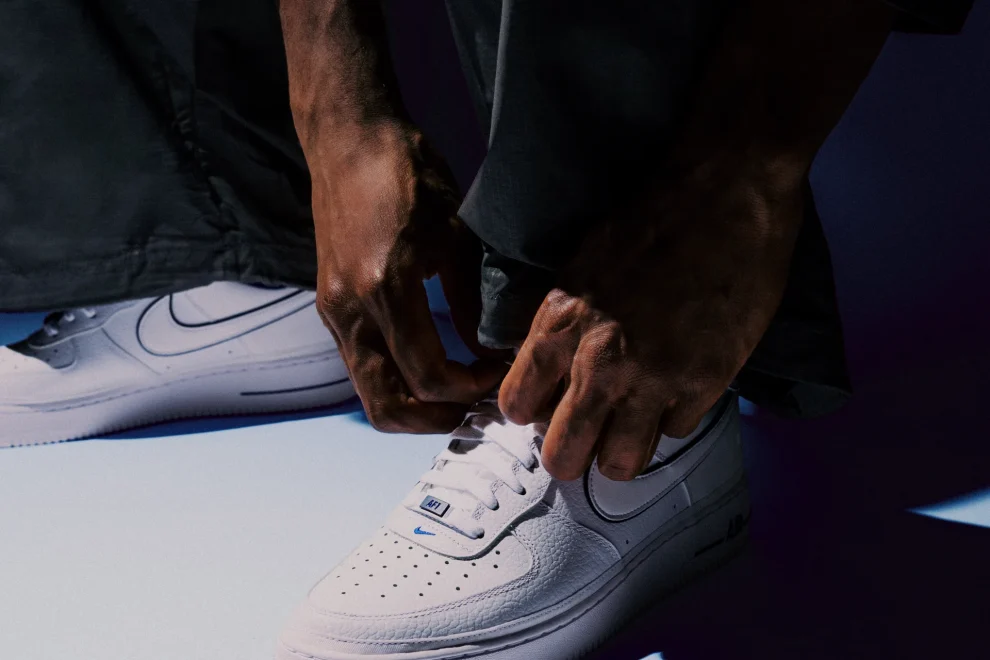
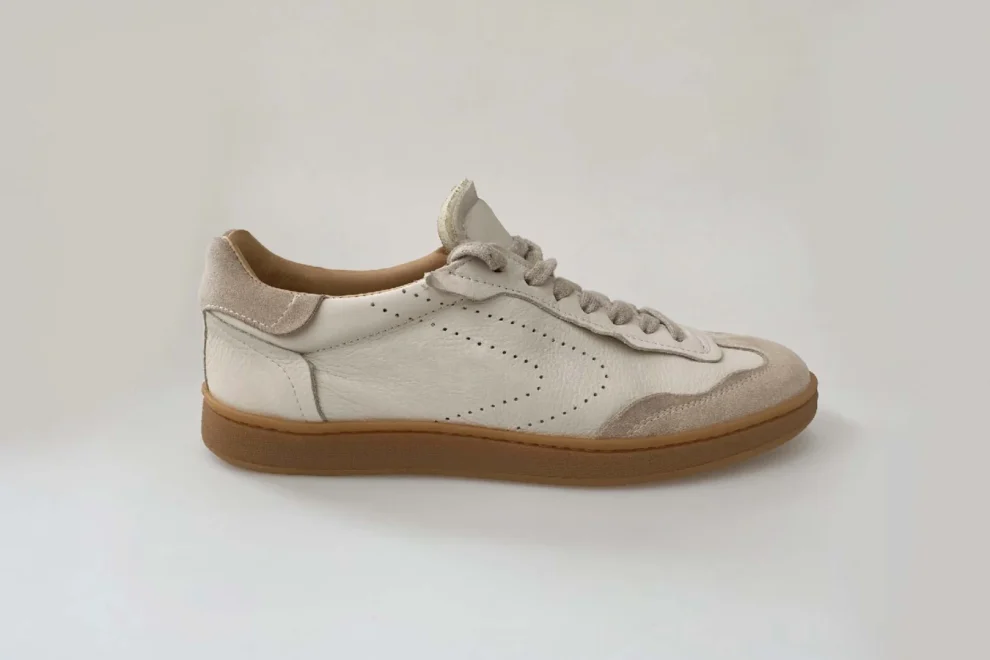
Cosmetics, meanwhile, is part of an increasingly broad market, where fragrances, skincare, wellness and technological innovation are engaging with growing interest in personal care and longevity. Watches and jewellery follow (+3.5%), along with apparel (+3%), while leather goods (+2.5%) and footwear (+2%) are expected to record more modest growth.
A picture that shows how consumers have not stopped wanting luxury products, but are demanding increasingly solid reasons from brands to choose them.
India and North America: markets to watch
Geographically, 2027 looks set to be a year of selective growth. India and North America lead the forecasts, at +6% and +5% respectively. India is benefiting from the expansion of its high-income population and the growing purchasing power of younger generations. North America, meanwhile, continues to be supported by the strength of financial markets and the spending power of wealthier customers, including outside the major cities.
The outlook is also positive for the Middle East (+4.5%), Asia excluding China (+4%) and Europe (+3%), where international tourism and demand from top customers are helping to support the market. The Chinese outlook is more cautious, with growth of 1% expected amid continuing fragile confidence and difficulties in the property sector. For international brands, it is therefore essential to rethink their commercial strategies, interpreting increasingly diverse markets and developing propositions that are consistent with local sensibilities and expectations.
The appeal of second-hand and lasting value
Another significant trend concerns the second-hand luxury market, which is estimated to reach a value of €202 billion in 2026, with growth of between 4% and 6%. Pre-owned is no longer simply a more accessible alternative to buying a new product. It has become a universe that embraces collecting, the search for authenticity, interest in the historic archives of maisons and attention to the longevity of objects.
In a market where consumers are increasingly careful about what they buy, second-hand restores the intrinsic value of the product, its history and its ability to stand the test of time to a central position. This dynamic also directly involves brands, which are being called upon to engage with new models of distribution, authentication and customer relationships.
Wellness and longevity: the new frontiers of exclusivity
Luxury is meanwhile expanding its boundaries. Wellness, prevention, personalised health and longevity are becoming increasingly important components of the premium offering. The possibility of living longer and in good health is introducing a new idea of wellbeing that spans generations and creates cross-category consumption opportunities. Hotels and resorts are developing programmes dedicated to physical and mental regeneration, while the cosmetics sector is investing in research, technologies and personalised treatments. Self-care is thus taking on a central role in defining the new high-end lifestyle.
Artificial intelligence is also helping to redefine the sector, influencing the processes of brand discovery and product selection. According to Bain, 70% of luxury-related queries made to AI tools do not mention a specific brand. This figure highlights the growing importance of a maison’s identity, authority and cultural relevance in standing out in an increasingly competitive landscape.
A market looking to the future
The long-term outlook remains positive. Looking ahead to 2035, the global luxury market could reach a value of between €2,200 billion and €2,600 billion, with estimated average annual growth of between 4% and 6%. For 2027, companies in the sector also expect EBITDA to increase by 5%, supported by organic revenue growth and greater attention to cost efficiency. A challenge that goes hand in hand with the need to protect margins, strengthen brand desirability and invest in distribution that is increasingly direct, selective and experiential.
The message emerging from the Altagamma Observatory is clear: luxury is not simply going through a slowdown, but a structural change. Objects continue to play an important role, but they are no longer enough on their own to express the desire for exclusivity. True luxury today is being able to choose how to spend one’s time. Travelling, looking after oneself, discovering places and cultures, sharing unique experiences. And, above all, finding in every purchase and every moment a value that goes beyond the price. This is where the next chapter of global luxury will be decided.