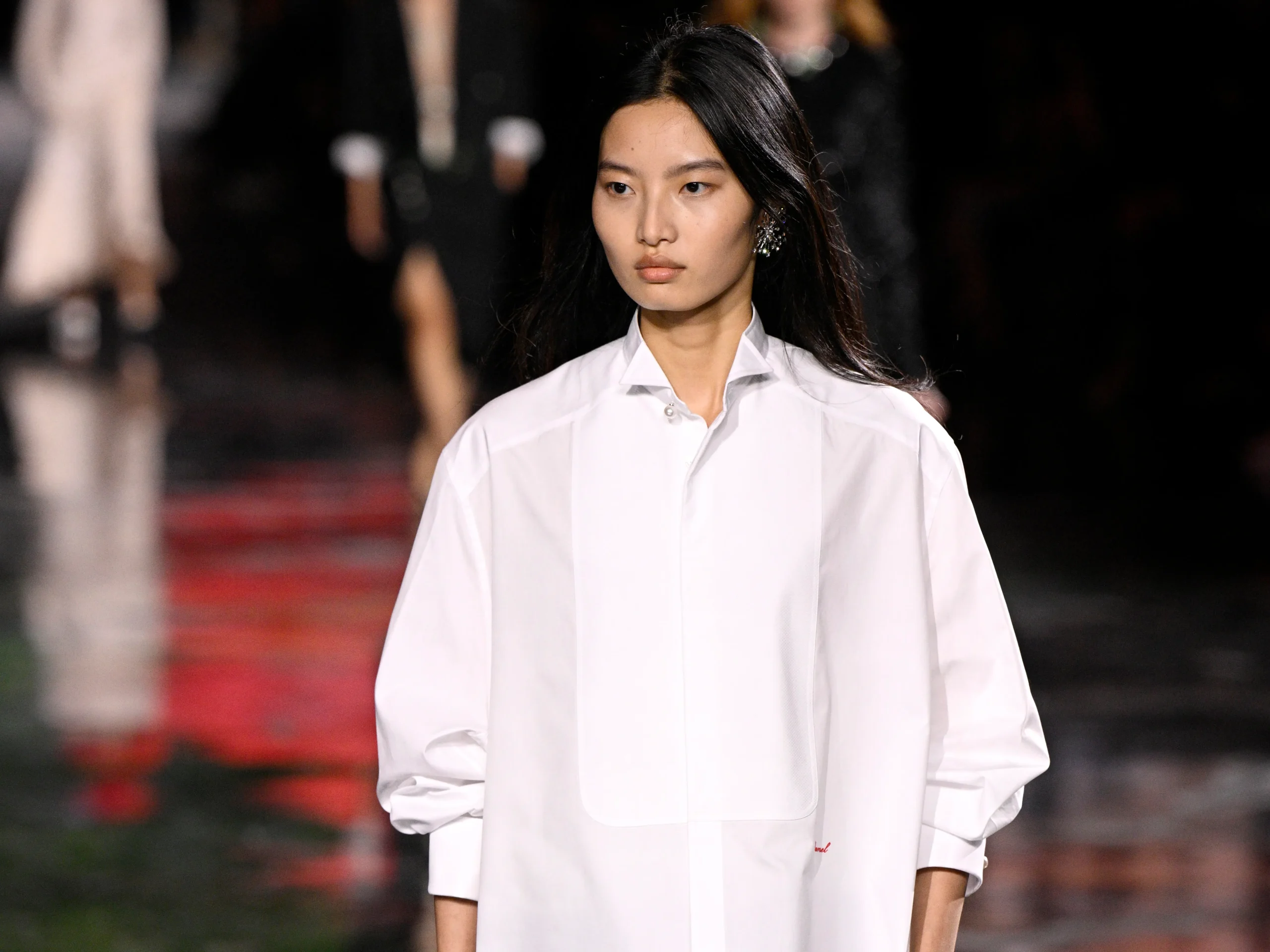
Highlighted Chanel spring-summer 2026 Kristy Sparow/Getty Images
Chanel expands its ecosystem of artisanal excellence with the acquisition of Charvet, the oldest French shirtmaker still in operation. The maison announced the acquisition of 100% of the company, without disclosing the financial details of the operation, thus confirming its investment strategy in the symbols of high craftsmanship. The collaboration between Chanel and Charvet had already begun with the first ready-to-wear collection signed by Matthieu Blazy for spring-summer 2026 and continued with the Cruise 2027 collection. From this synergy, the project of a more structured integration was born, with the declared goal of preserving and passing on a heritage of skills that represents one of the most authentic expressions of French luxury. The announcement also comes a few days before Blazy’s second haute couture collection.
Founded in 1838, Charvet is considered an institution of male elegance and bespoke tailoring. From the historic boutique on Place Vendôme, the brand has dressed over time some of the most influential figures in international culture and politics, including Charles Baudelaire, Marcel Proust, Winston Churchill, Jean Cocteau, and Gabrielle Chanel herself. Today, production is concentrated in the company’s only workshop in Saint-Gaultier, in the Indre region. The operation is part of Chanel’s policy to preserve excellence in trades and craftsmanship, alongside Charvet with other entities already in the maison’s portfolio, such as Maison Michel, Barrie, Eres, and Orlebar Brown.
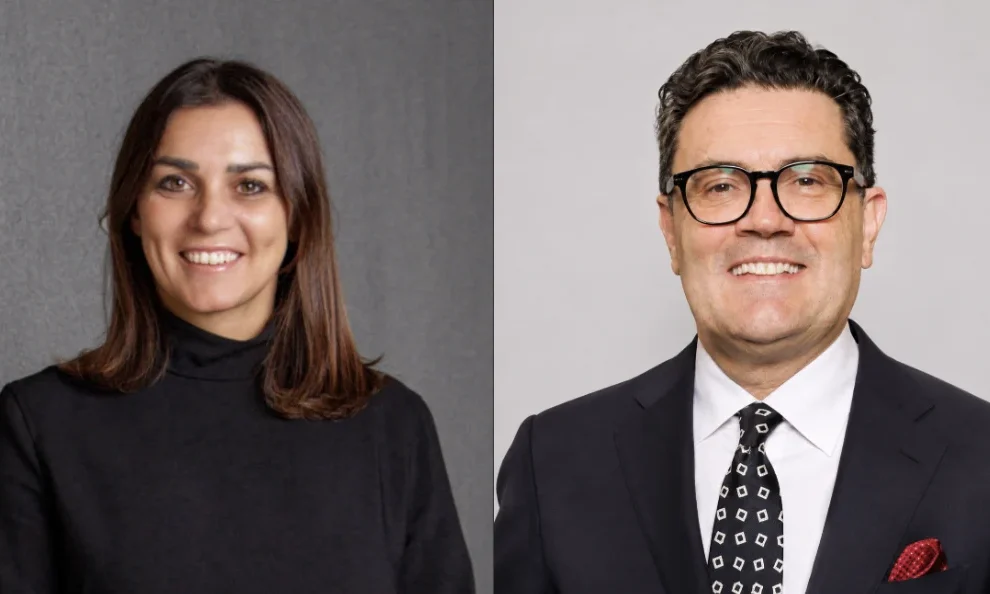
“We are pleased with this association with Charvet, which has a special resonance for Chanel,” said Bruno Pavlovsky, president of Chanel’s Fashion activities and Chanel SAS. “We share the same approach to savoir-faire: rigor, respect, and the belief that these skills can thrive only if supported in the long term. At Chanel, we have always considered it a responsibility to preserve and pass on these excellent trades, which represent not only a manufacturing heritage but also a cultural one.”
Pavlovsky, president of Chanel’s Fashion activities and Chanel Sas, also recalled the historical connection between the two houses: Boy Capel, a central figure in Gabrielle Chanel’s life, was in fact a regular customer of Charvet. A detail that reinforces the symbolic value of the operation, destined to combine tradition and contemporary creativity. Chanel also specified that Charvet will continue to operate with full respect for its creative independence. Satisfaction was also expressed by Jean-Claude Colban, CEO of Charvet, who described the acquisition as “the meeting between two historic Parisian houses united by the same standards of excellence and the desire to preserve savoir-faire.” Along with his sister Anne-Marie, Colban emphasized how this new chapter is perfectly consistent with the identity and values that have guided Charvet since its foundation.
With this acquisition, Chanel further strengthens its industrial vision, aiming to ensure continuity in French artisanal excellence, consolidating a luxury supply chain that is increasingly integrated and oriented towards the protection of the manufacturing skills that constitute its true heritage.