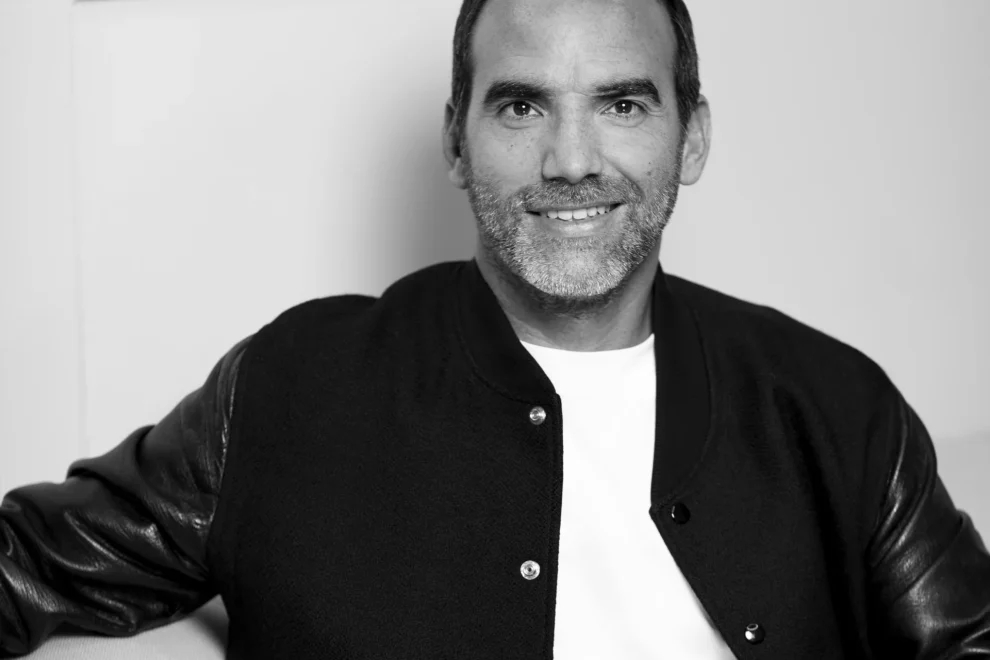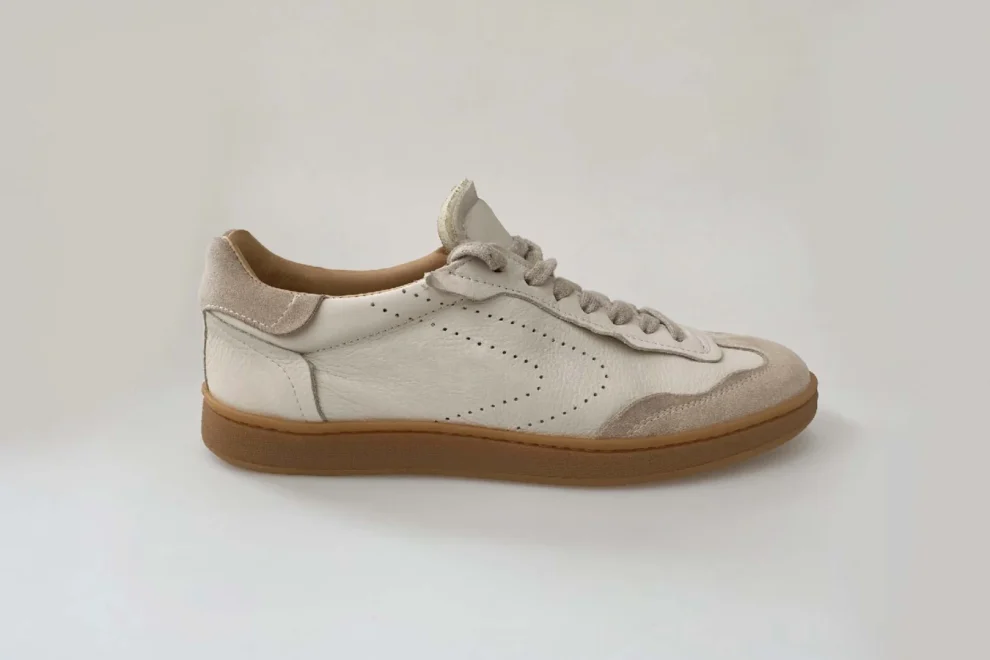
From personal experience in the world of image to a new entrepreneurial project that puts identity, quality and accessibility at its heart. With Callista Crown, Ibiza Altea wants to rewrite the rules of hair, transforming wigs and extensions into tools of free expression, with no compromise on quality.
Some changes begin in front of the mirror. A new cut, a different colour, an unexpected length. Small or significant gestures that, at times, say far more than a simple aesthetic choice. Ibiza Altea learned this over the years, moving through the worlds of fashion and television, where changing your image is part of the job. But it was precisely this familiarity with transformation that led to a different realisation: hair is never just hair. It is part of how we present ourselves to the world, perceive ourselves and choose to tell our story.
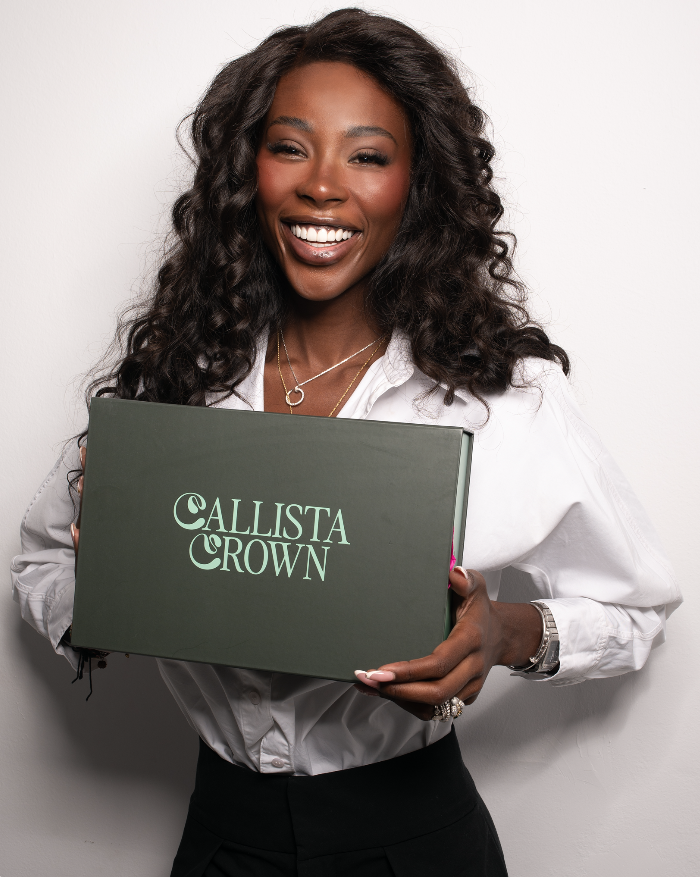
This insight gave rise to Callista Crown, the new brand of wigs, extensions and hair accessories founded by Ibiza Altea. The project was born with a clear vision: to move beyond the conventions of a market often divided between inexpensive products and premium solutions with inaccessible prices, bringing quality to a wider audience. Natural virgin hair, HD lace, attention to fit, comfort and durability are the elements on which the offering is built, accompanied by a shopping experience designed to be clear and intuitive.
But Callista Crown does not want to talk only about product. Its ambition is cultural: to free wigs and extensions from every prejudice, recognising everyone’s right to choose how they present themselves, without having to explain their reasons. The name itself expresses this philosophy. Callista derives from the Greek Kallistē, “the most beautiful”, while Crown means crown. A crown does not necessarily have to be made of gold to have value, because its meaning belongs to the person who wears it. Hence the manifesto “Not all crowns are gold” and the invitation to live your beauty with pride: Wear It Proud.
We met with her to hear about the vision, insights and ambitions accompanying the debut of Callista Crown.
From transformation to identity
You spent years experiencing the world of image from the inside, between fashion, television, shoots and constant changes of look. Was there a specific moment when you began to see hair differently, realising that behind a change of image there could be much more?
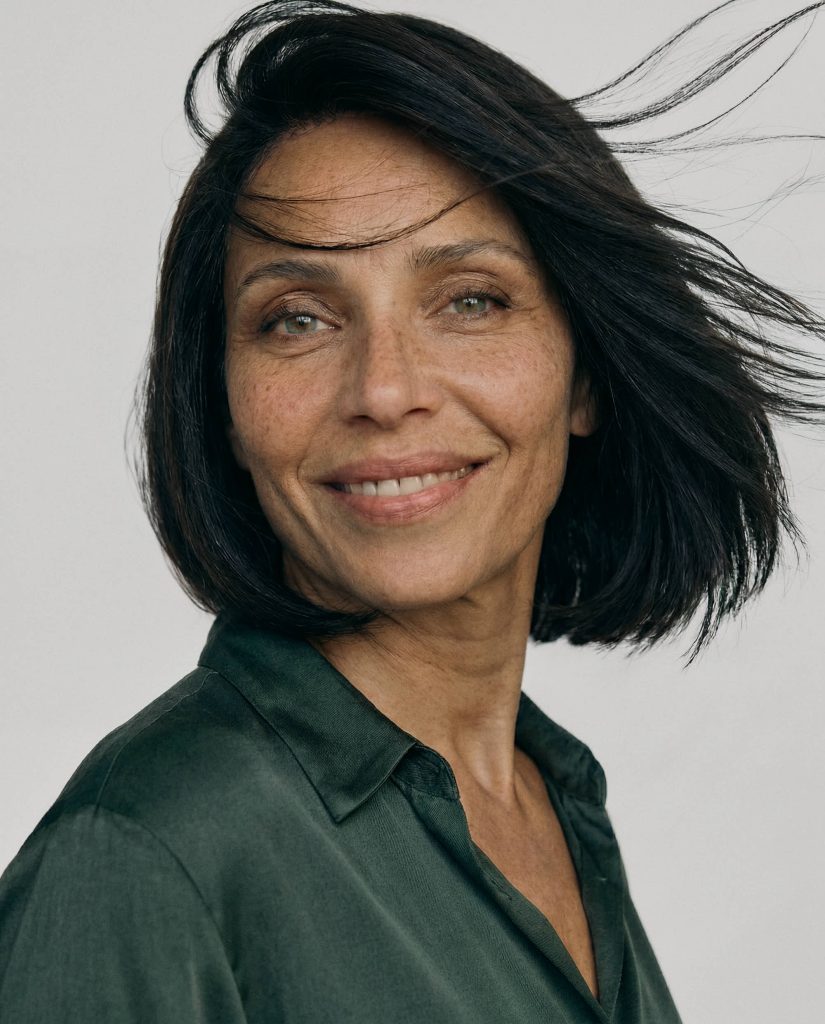
There was no single moment. It is an awareness that grew over the years, because I changed my look countless times for work. At first I saw it as a natural part of the world of image, then I realised that hair is never just a detail: it changes how we feel, see ourselves and move through the world. It does not change who we are, but it can give us the freedom to express a part of ourselves with greater confidence. From then on, I began to see it not only as an aesthetic element, but as something deeply personal.
A wig can meet a need, become a fashion accessory or simply give someone the freedom to see themselves differently for a day. Which story or encounter made you realise how powerful the possibility of transforming through your hair can be for a person?
More than one particular encounter, it was the stories of many women. Some turned to wigs out of necessity, others to protect their hair, and others simply because they felt like changing. What they had in common was what happened in front of the mirror: they did not become someone else, but began to feel comfortable with themselves again, allowing themselves the freedom to play with their image. That is when I understood how powerful it can be to have the freedom to choose, without feeling obliged to explain or justify that choice.
Quality must not be a privilege
Callista Crown was born when this personal realisation became an entrepreneurial project. What did you see in the wigs and extensions market that did not convince you, and what would you have wanted to find instead as a consumer?
As a consumer, I saw two extremes: cheaper products that often failed to deliver an optimal result, and quality products with prices that were difficult to afford. In between, clarity and guidance were missing. Buying a wig can be a confusing experience: lace, density, measurements, texture, maintenance. I wanted to create a product that was beautiful, natural and reliable, but also a transparent and simple experience. People need to know what they are buying, how to use it and how to look after it. Quality must not be intimidating, and transformation must not feel like something to hide.
“Exceptional quality at a price everyone can afford” is an ambitious promise. You chose not to start with a luxury product and make it more accessible, but to build the project around this principle from the outset. What does that mean in practical terms when moving from the idea to the product?
It means being very clear about our priorities. We chose to invest in what really makes a difference: natural virgin hair, HD lace, fit, comfort, movement and durability. At the same time, I did not want the price to rise simply because the product was labelled “luxury”. A quality product has a cost; it would be disingenuous to deny that. But our job is to eliminate the unnecessary and find the best possible balance between quality and accessibility. To me, accessible luxury means exactly this: not lowering the standard, but making that standard attainable for more people.
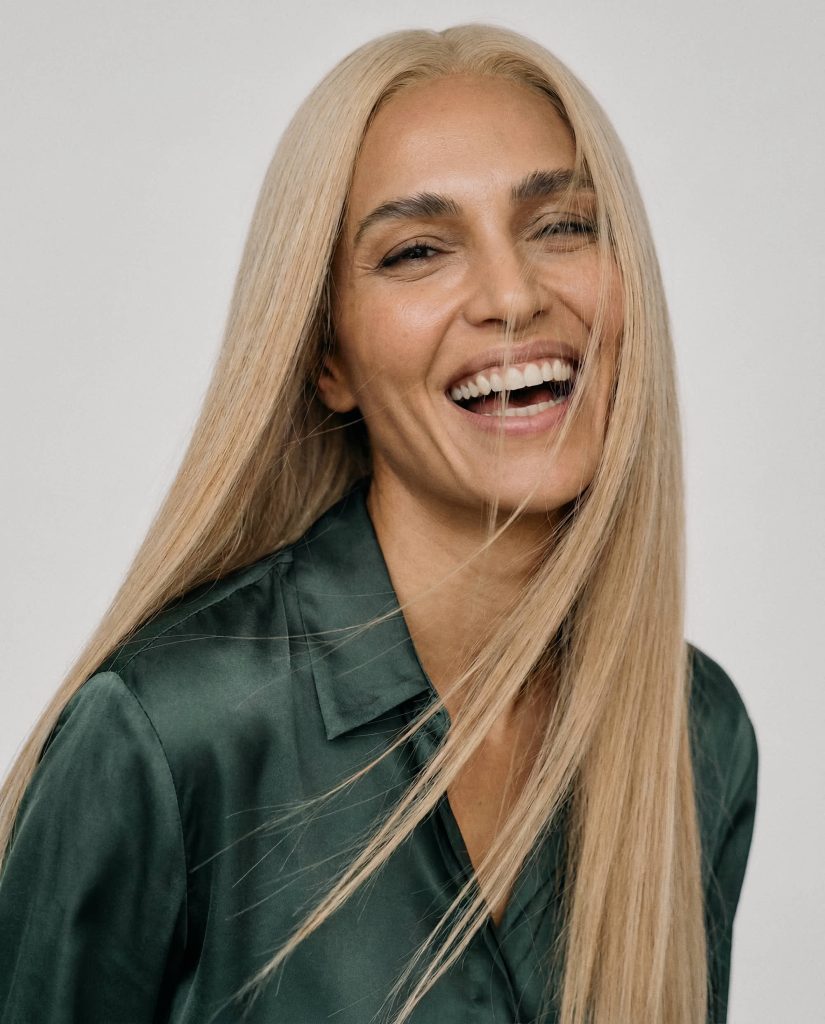
Not all crowns are gold
“Not all crowns are gold” encapsulates much of your thinking. The crown, from a symbol of status, becomes something that belongs to everyone. When did you realise that this image could express not only the name, but the brand’s entire identity?
It was clear from the moment we chose the name. Callista derives from Kallistē, “the most beautiful”, while Crown means crown. But I was not interested in a crown as a symbol of superiority or status. “Not all crowns are gold” means that the value of a Crown does not depend on the material and does not need to be recognised by others. It can be a wig, an extension or simply the way you choose to wear your hair. It is yours, and you are the one who gives it meaning. The brand was born from this idea: not to create an unattainable beauty, but to give everyone the freedom to wear their own beauty with pride.
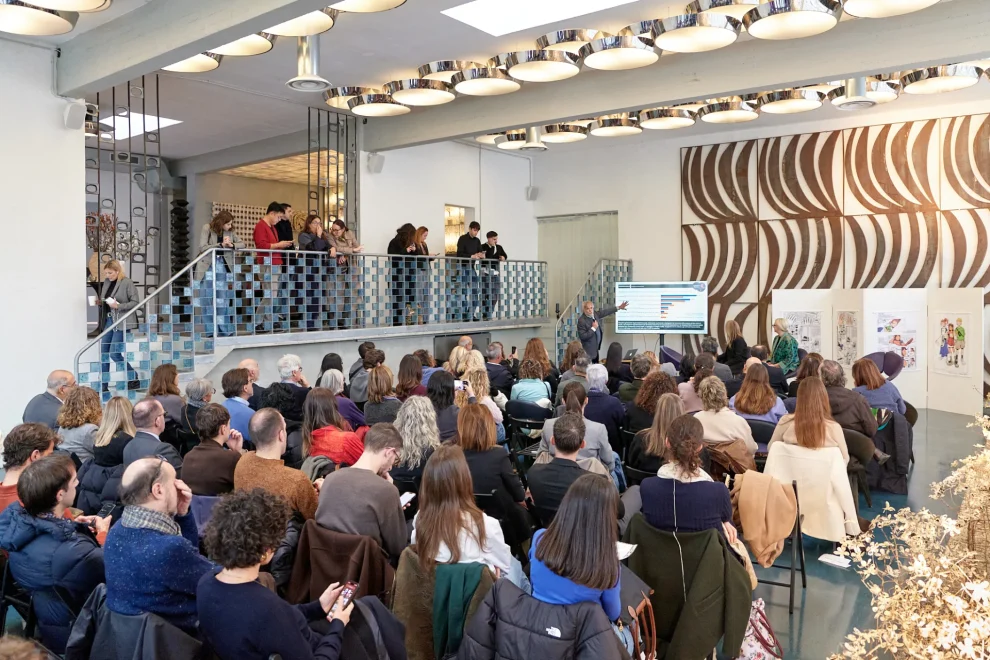
The debut in Milan comes between Beauty Week and Fashion Week, in a setting where hair, beauty and fashion are increasingly coming together. What conversation would you like to start with Callista Crown, and what freedom would you like to give those who wear their Crown?
I would like to start a freer and, above all, more honest conversation about hair. Wigs and extensions are not something to hide or justify. They can meet a need, protect natural hair or simply be a style choice: no reason is more valid than another. Milan, between Beauty Week and Fashion Week, was the right place to say this, because Callista exists precisely at that intersection of beauty, fashion and personal expression. The freedom I would like to offer is very simple: to be able to look in the mirror, choose how to present yourself and always feel like yourself. Your Crown does not transform you into someone else. It is always a version of you. And remember: Wear It Proud!