


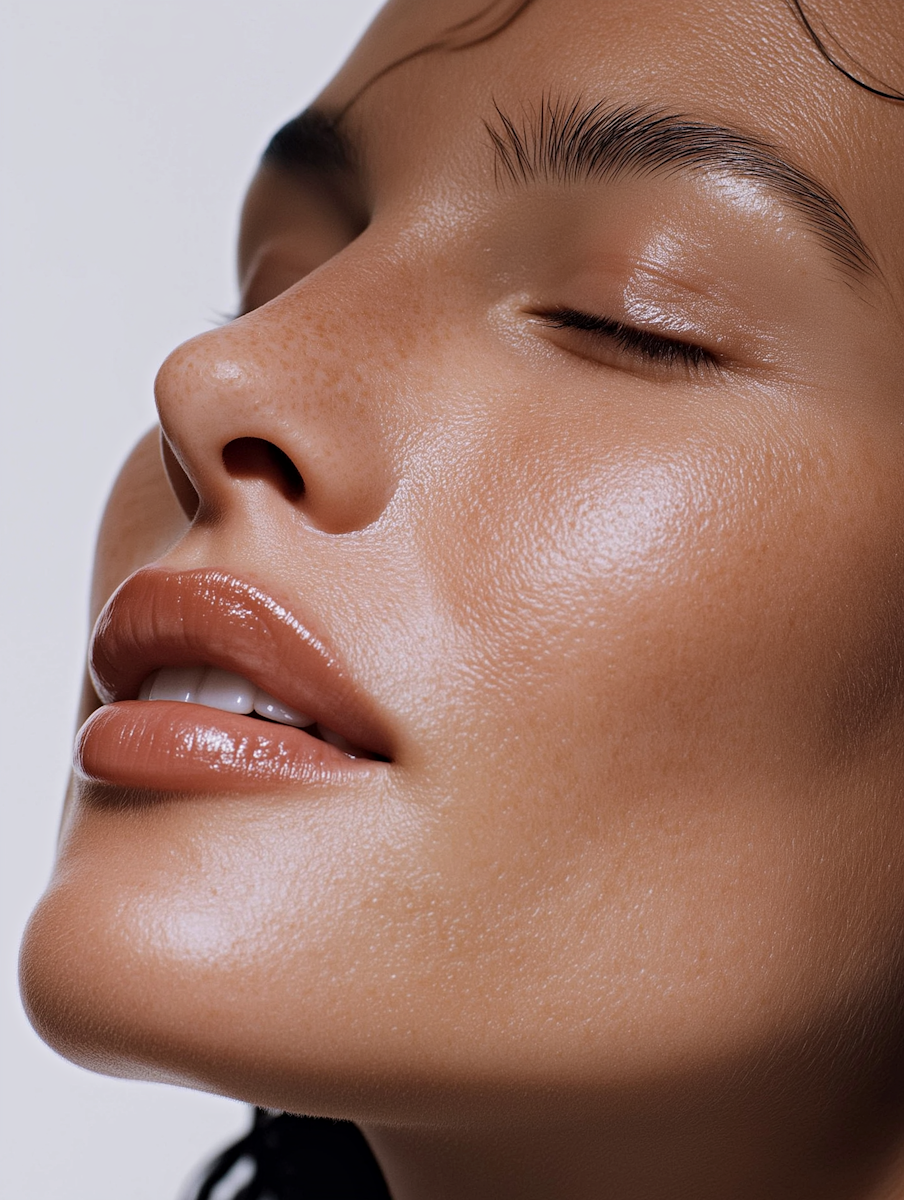
From online-born brands to physical stores: Rhode by Hailey Bieber and Audrer by Giulia De Lellis strengthen distribution at Sephora. Massimo Volpe, founder of Retail Hub, analyzes the new trends in beauty retail including immersive experiences, customization, and artificial intelligence.  Massimo Volpe, founder of Retail Hub
The future of beauty increasingly involves the integration between digital and physical stores. Consumers discover products on Instagram and TikTok, follow creators and reviews, but also seek direct experiences before making a purchase. This transformation is pushing online-born beauty brands to invest in traditional distribution.
This is the case of Rhode, a brand founded by Hailey Bieber, which debuted at Sephora on September 30 in over 500 European stores, entering 19 new markets, including Italy. A strategy also shared by Audrer, the brand of Giulia De Lellis, which in September expanded its presence from 5 to 26 Sephora stores in Italy.
“It is consumers who are driving the change,” explains Massimo Volpe, founder of Retail Hub. “People discover new products through TikTok, Instagram, creators, and international communities. They travel, compare experiences, buy online from anywhere in the world, and expect to find those same experiences in stores near their homes.”
Beauty retail: the store becomes an experience
Physical presence represents an opportunity for digital brands to reach new consumers and build trust with their community. However, it is not enough to make products available: the store must offer advice, the possibility to try products, and personalized services.
Rhode accompanied its European debut with dedicated setups and immersive installations, transforming the stores into an extension of the brand’s identity.
“Today, the customer no longer simply enters to buy a lipstick,” emphasizes Volpe. “They want to be advised, they want to try, compare, and live an experience.”
From Paris to Seoul: the new frontiers of beauty
Through its international Innovation Tours, Retail Hub observes the models that are transforming the sector. In Paris, department stores like Galeries Lafayette and Printemps integrate premium services, treatments, and personalized consultations. In London, retailers like Space NK and Pure Seoul focus on discovering new brands and the growing popularity of K-Beauty.
However, Seoul represents one of the most advanced markets. Realities like Olive Young and Amorepacific combine technology, skin analysis, and personalized offerings, anticipating models that are likely to spread to Europe as well.
At the same time, brands like Gentle Monster and Born to Stand Out demonstrate how retail can blend with art and entertainment, transforming stores into destinations capable of generating attention even on social media.
“Today, the store must be memorable. People no longer just photograph a product: they photograph an experience,” highlights Volpe. Among the emerging innovations, artificial intelligence and augmented reality play an increasingly important role in personalizing the shopping experience.
Retail Hub highlights startups like Inference Beauty, which uses AI to analyze consumer needs and support the development of new cosmetics, and Arbelle, a beauty tech platform that integrates virtual makeup trials, skin tone recognition, and digital assistants.
The challenge for retailers will be to integrate these technologies with the physical experience, building increasingly personalized shopping paths. “The future will not be selling the same product to everyone. It will be about building more and more personalized experiences and solutions,” concludes Volpe.


